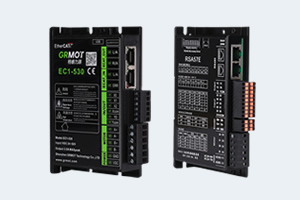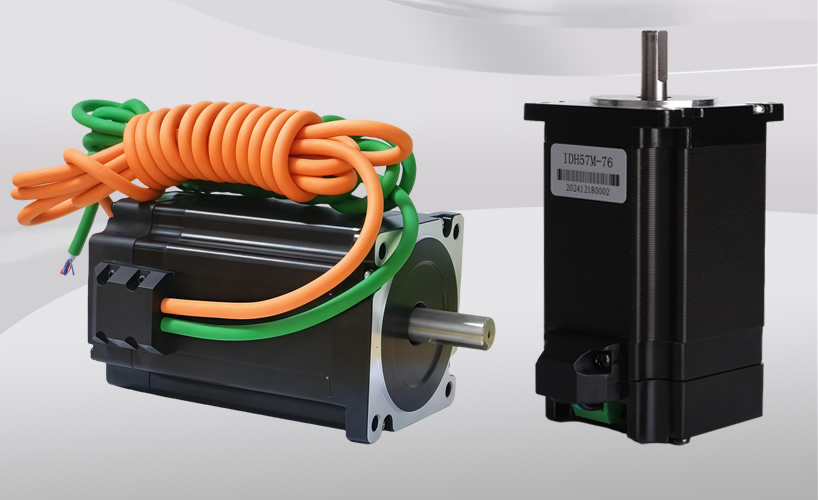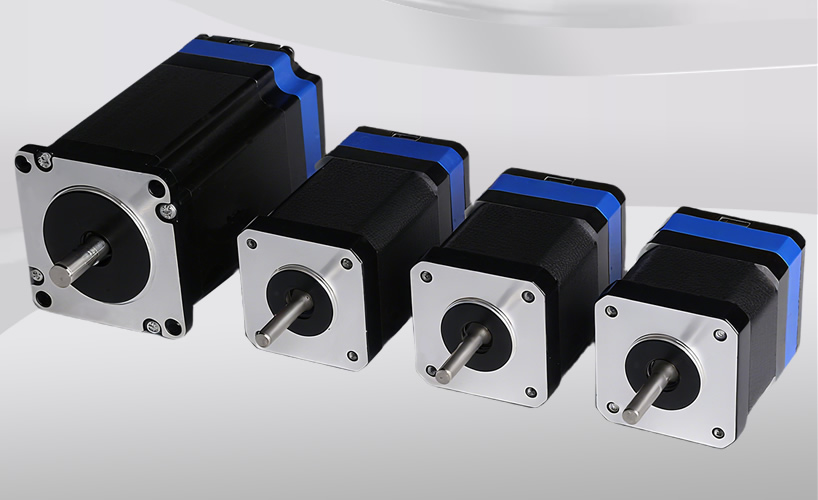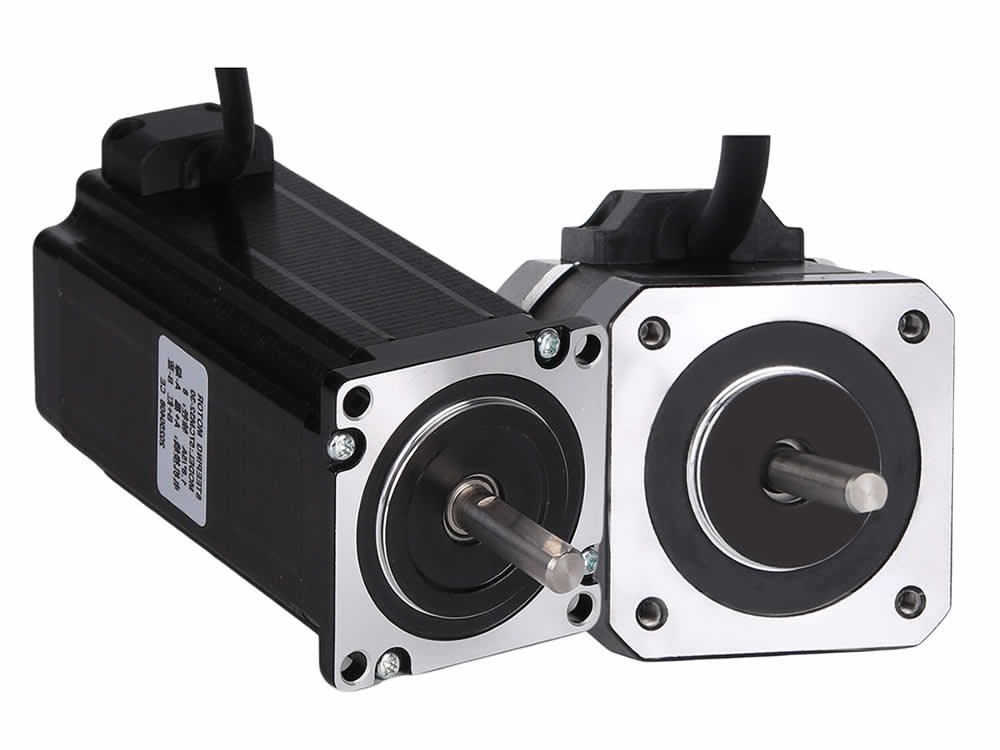
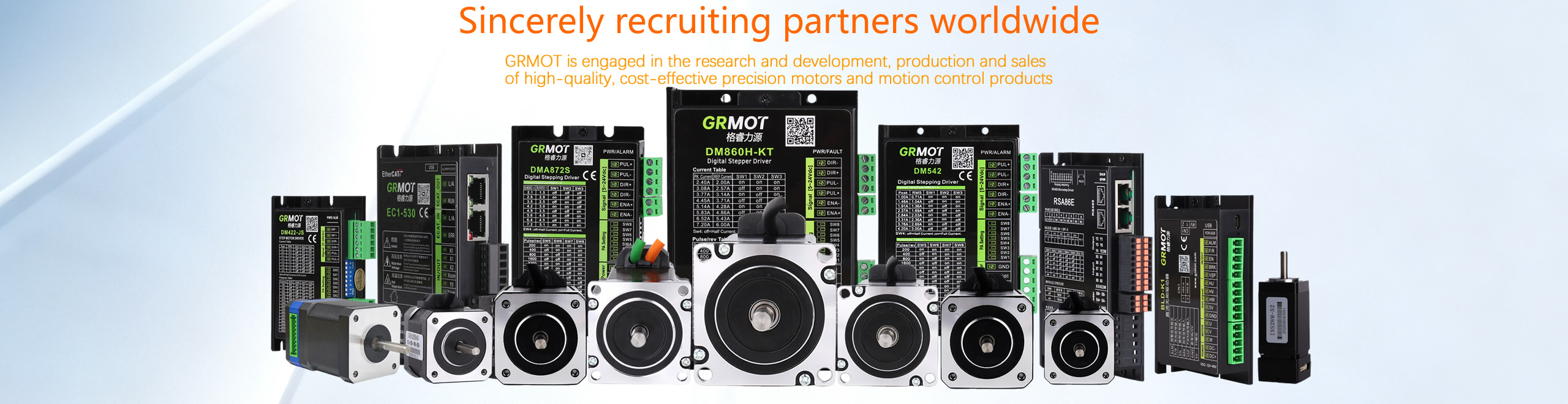

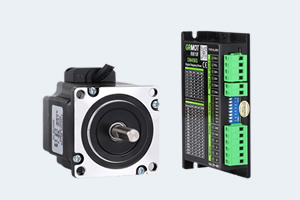
The open-loop two-phase hybrid stepper motors of GRMOT feature a step angle of 1.8°, high torque, low noise and precise positioning, combining the advantages of permanent magnet and variable reluctance types. GRMOT’s hybrid stepper motor drivers offer strong anti-interference capability and are compatible with pulse signal speed regulation. Widely applied in industrial scenarios such as 3D printing, CNC equipment and automated assembly lines, they ensure efficient and stable operation of devices.
View Details
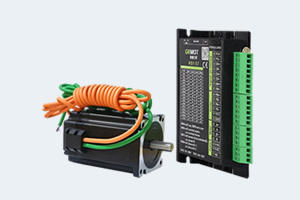
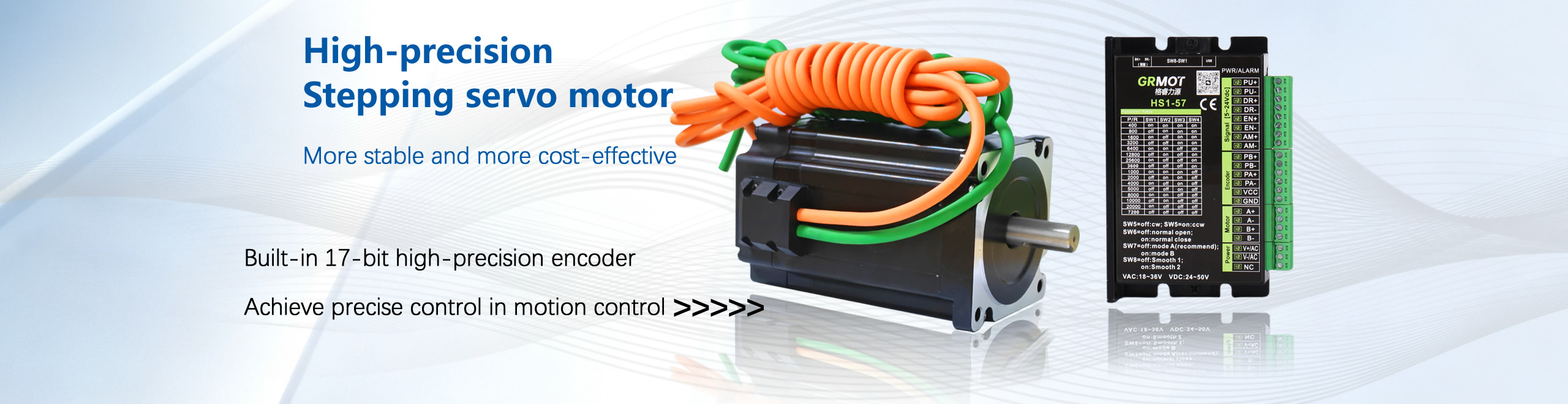
The closed loop stepper system adopts the latest dedicated motor control DSP chip and vector closed-loop control technology, completely overcoming the step-loss problem of open-loop stepper motors. At the same time, it significantly improves motor high-speed performance, reduces motor heating, and minimizes motor vibration, thereby enhancing machine processing speed and precision, and reducing machine energy consumption. What is a Closed-Loop Stepper Motor? A stepper motor is an electromagnetic actuator that converts electrical pulse signals into angular or linear displacement. It operates under pulse control: each pulse causes the motor rotor to rotate by a fixed angle (step angle), enabling precise position control. Traditional stepper motors mostly use open-loop control. After the controller sends a pulse command, the motor performs the action but cannot feedback its actual operating status. When overload, voltage fluctuation, or electromagnetic interference occurs, step loss (actual rotation angle differs from the commanded angle) easily happens, reducing equipment accuracy. The closed-loop stepper motor was developed to solve these pain points. Based on the open-loop stepper motor, it adds a position feedback device, forming a closed-loop control system:Command → Execution → Feedback → Correction.This makes the motor run more accurately, stably, and efficiently. 1. Closed-Loop Stepper Motor A closed-loop stepper motor (full name: closed-loop controlled stepper motor) is a new type of motor that combines the precise positioning of traditional stepper motors with the closed-loop feedback advantages of servo motors. It consists of three core components: Stepper motor body Position feedback device (usually an encoder) Closed-loop driver Together, they achieve real-time monitoring and precise correction of motor operation, fundamentally eliminating step loss and insufficient accuracy in open-loop systems. Working Principle The operation includes four key steps that form a complete closed-loop: (1) Command Input The controller (PLC, MCU, motion controller) sends pulse commands to the closed-loop driver, defining target angle, speed, and direction. (2) Motor Execution The driver converts commands into electrical signals and drives the motor to rotate. Compared with open-loop systems, the closed-loop driver provides smarter control. (3) Real-Time Feedback The encoder mounted on the rotor shaft monitors the actual angle and speed in real time and sends signals back to the driver. Higher encoder resolution means higher feedback accuracy (1000, 2000, 4000 lines, etc.). (4) Error CorrectionThe driver compares the target command with the actual status. If an error exists, it automatically adjusts current and pulses to correct the deviation until the motor matches the command perfectly. In short: Open-loop: executes blindly without checking results. Closed-loop: executes, checks in real time, and corrects immediately. The closed-loop structure retains the advantages of stepper motors—high positioning accuracy, simple structure, moderate cost—while gaining the stability and fast response of servo motors. It has become a cost-effective mainstream choice in automation. 2. Core Advantages of Closed-Loop Stepper Motors (1) Eliminates Step Loss & Improves Positioning Accuracy Step loss is the biggest weakness of open-loop systems. Closed-loop motors use encoder feedback to instantly correct deviations, completely eliminating step loss. Open-loop accuracy: ±0.3° ~ ±1° Closed-loop accuracy: ±0.01° ~ ±0.1° In CNC machines: repeat positioning accuracy up to 0.001 mm (2) Faster Dynamic Response & Smoother Start/Stop Closed-loop control enables fast response and stable acceleration/deceleration, avoiding vibration and overshoot. Start/stop response within 10 ms Acceleration up to 5000 rpm/s In high-speed SMT machines: mounting speed increased by 40% (3) Stronger Load Adaptability & Anti-Interference The driver adjusts current automatically according to load: Supports load fluctuation up to ±15% Failure rate reduced by 70% in automated warehousing Differential signal transmission for strong anti-interference in industrial environments (4) Energy Saving, Lower Heat, Longer Life Closed-loop motors use on-demand power supply: Energy consumption reduced by 30%–50% Temperature decreased by 20–30°C Greatly extended service life for long-running equipment (5) Combines Benefits of Stepper & Servo at Lower Cost Performance close to servo motors, but price only 1/2 to 2/3 of servo motors.Ideal for SMEs pursuing high performance and cost efficiency. (6) Low Noise for Quiet Applications Operating noise: 30–50 dB, suitable for medical devices, laboratories, smart homes. (7) Real-Time Diagnosis & Monitoring Drivers monitor current, temperature, speed, and support fault alarms and status uploads, making maintenance easier and reducing downtime. 3. Applications of Closed-Loop Stepper Motors (1) Industrial Automation Assembly lines, packaging machines CNC machines, laser cutters AGVs, robotic arms, stackers (2) Precision Manufacturing & 3C Electronics 3D printers SMT machines, PCB drilling machines Precision measuring instruments (3) Medical Equipment Biochemical analyzers, nucleic acid extractors Ultrasound, CT, MRI scanners Surgical robots, insulin pumps (4) Smart Home & Office Automation Smart curtains, locks Robotic vacuums Printers, scanners (5) Aerospace & New Energy Satellite attitude control, drones PV panel assembly, battery testing equipment New energy charging piles (6) Textile, Security, Aquaculture Knitting machines, embroidery machines Inspection robots, PTZ cameras Automatic feeders 4. Selection & Usage Notes Key Selection Factors Step angle Holding torque Current Encoder resolution Protection grade (IP65, IP67) Installation Ensure flat mounting surface Protect encoder from dust and water Standard wiring to avoid damage Maintenance Regularly check temperature, noise, vibration Keep motor and encoder clean Check wiring connections Driver Tuning Set proper current, speed, acceleration Adjust PID parameters for stability Calibrate positioning accuracy 5. Conclusion Closed-loop stepper motors have become the core precision power component of the automation era.They eliminate step loss, improve accuracy, save energy, run quietly, and offer outstanding cost performance. As automation develops, closed-loop stepper motors will become more precise, efficient, miniaturized, and intelligent, supporting high-quality development across industries.
View Details
RS485 and EtherCAT bus-type drivers feature easy networking and wiring, enabling high-speed, real-time, high-precision, and multi-axis synchronous motion control solutions.
View Details
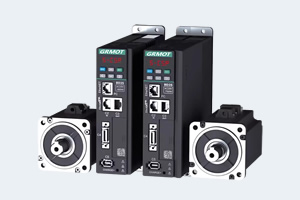
With the electro-mechanical design of the latest engineering and manufacturing technology, GRMOT’s servo motors with encoders combine excellent dynamics and torque accuracy. They feature low torque ripple, minimal temperature rise, high power density, and high overload capacity.
View Details
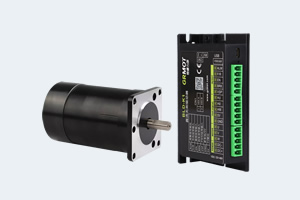
Brushless DC motors use electronic commutation, offering high efficiency, energy saving, low noise, and long lifespan. They are widely used in home appliances, new energy vehicles, and industrial automation.
View Details
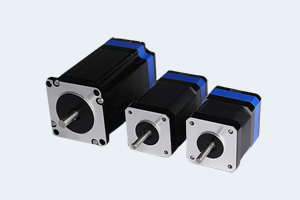
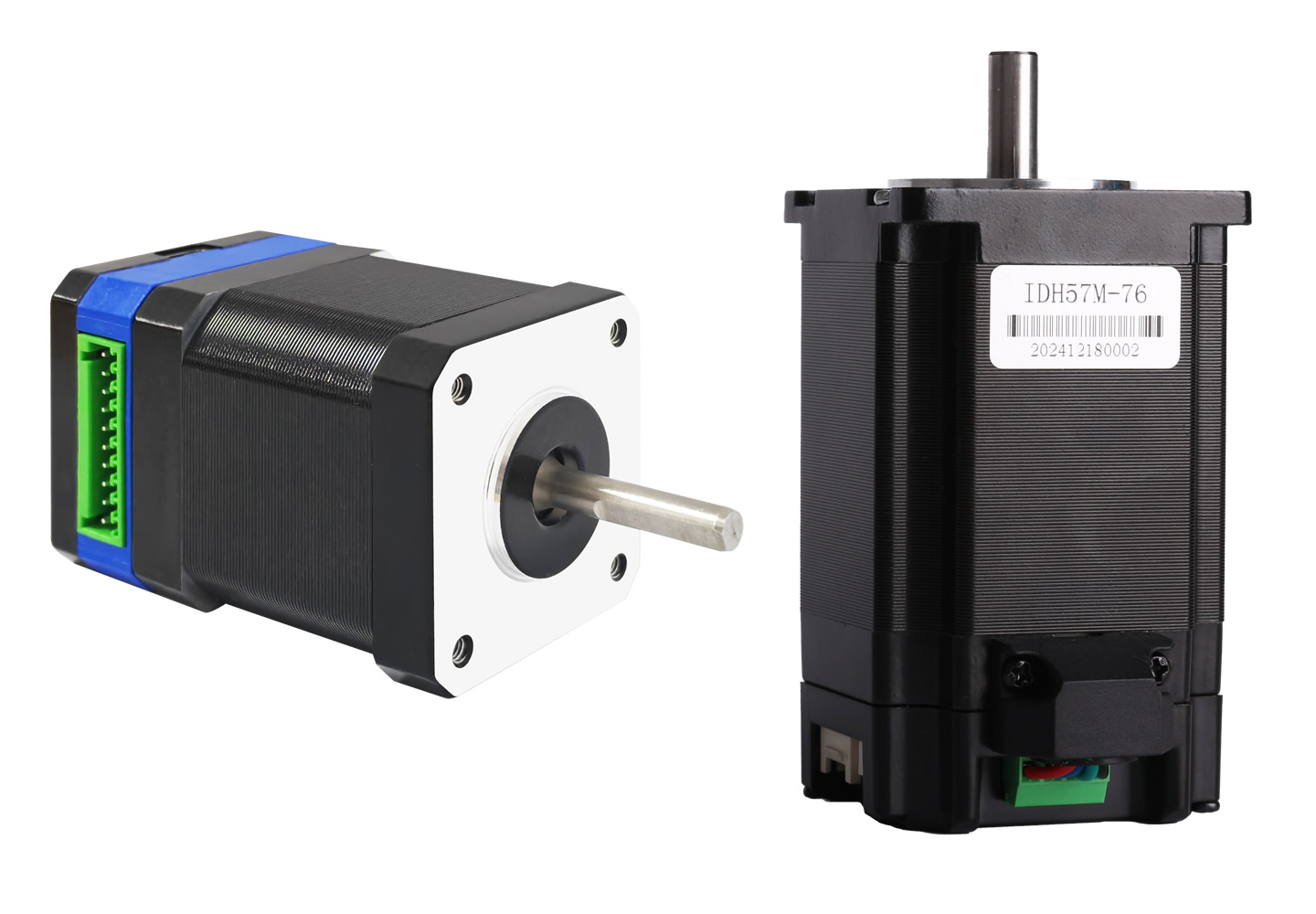
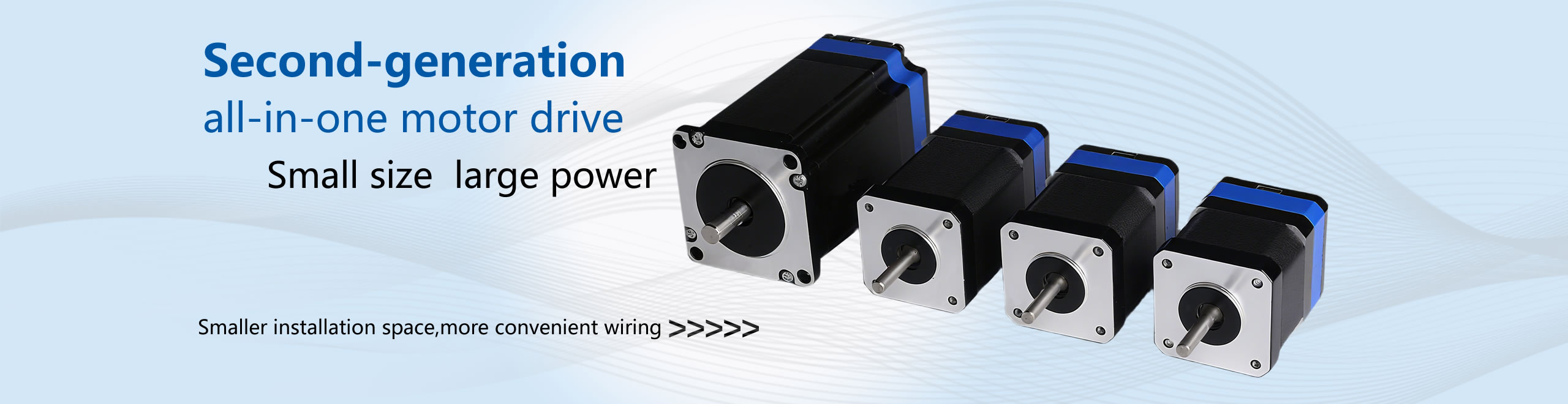
The iSS series intelligent integrated hybrid servo motor integrates high-performance stepper motor, encoder feedback, closed-loop vector control drive, and network communication module and technology into one unit. It is compatible with the dimensions of traditional stepper motors in installation, combining the dual advantages of stepper technology and AC servo. Moreover, it eliminates the need for a large number of connecting cables between the motor and the drive, between the encoder and the drive, saving a significant amount of wiring labor, reducing electromagnetic interference between wires, and lowering the reliability issues and maintenance costs caused by a large number of connectors and unreliable connections between wires. Of course, it also reduces the space occupied by the drive. The iSS series adopts low-heat generation technology and anti-vibration design, providing revolutionary new technologies, products, and solutions for your equipment upgrades.
View Details
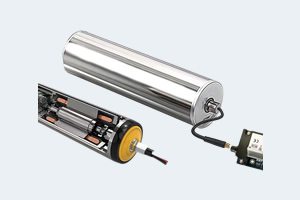
The electric drum features a compact structure, high transmission efficiency, stable operation, and easy maintenance, and is widely used in automated conveyor lines, logistics sorting, and packaging equipment.
View Details
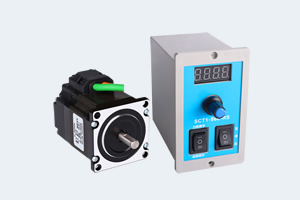
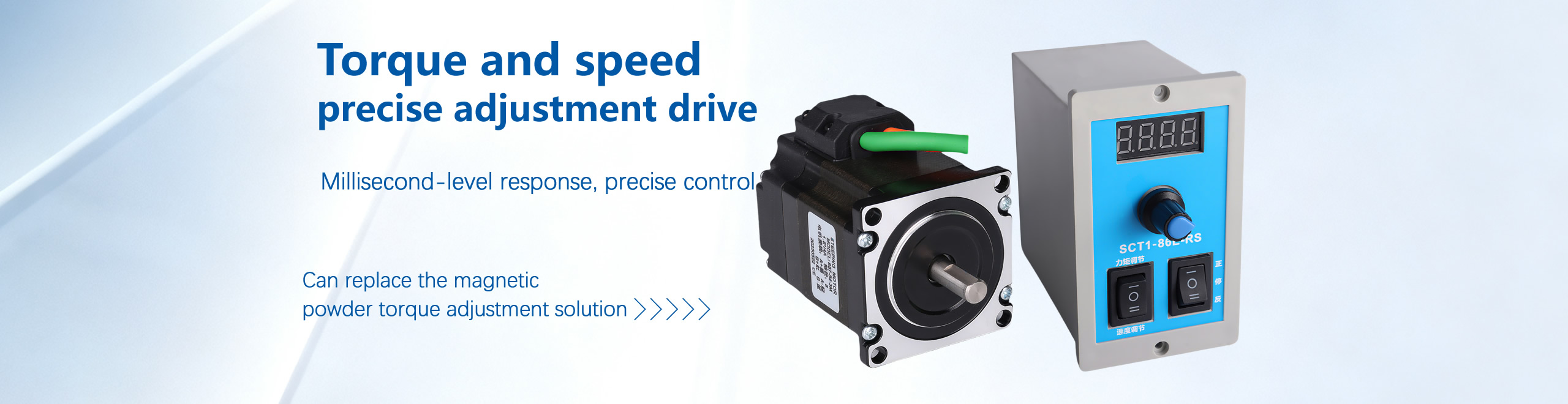
The stepper motor torque and speed modulation driver can flexibly adjust torque and speed, is easy to apply and has high precision, and is widely used in die cutting, web handling, and multi-axis linkage scenarios.
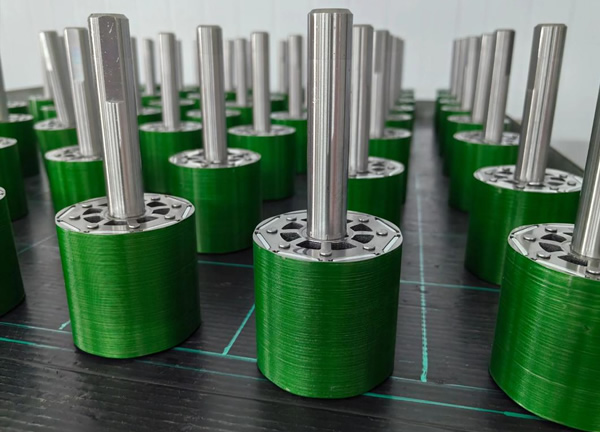
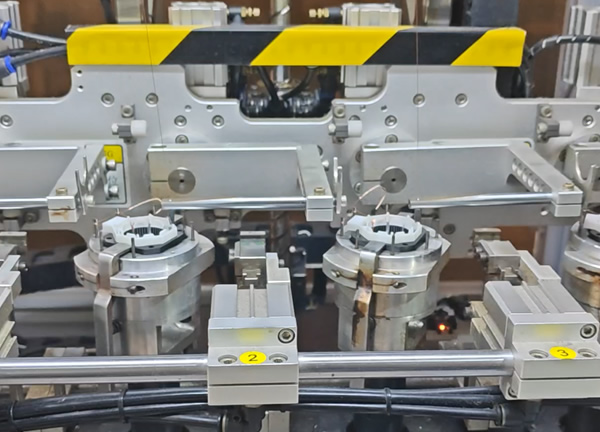
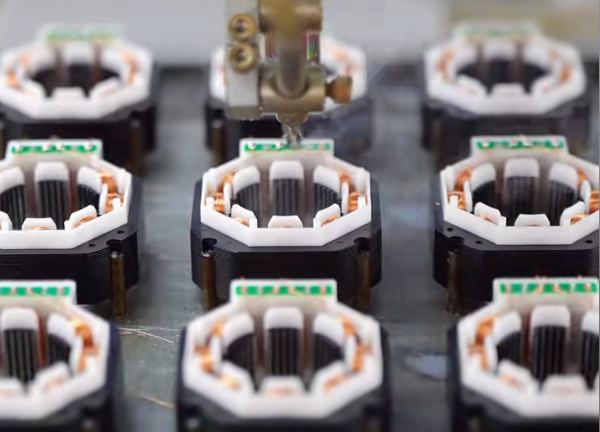
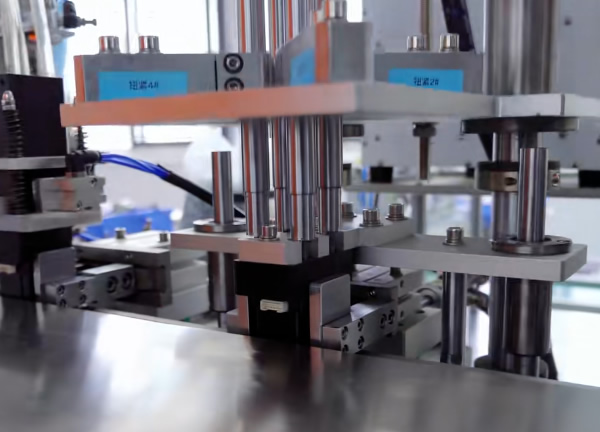
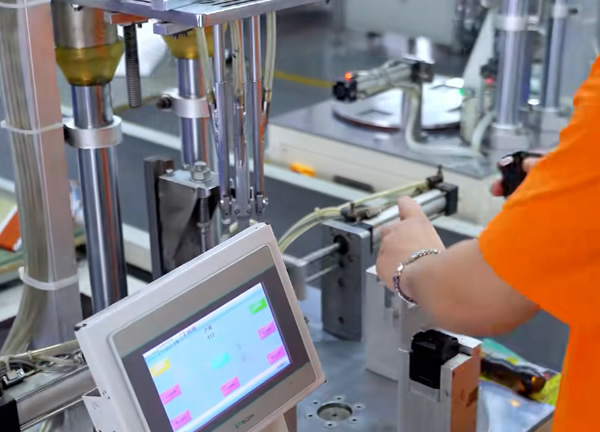
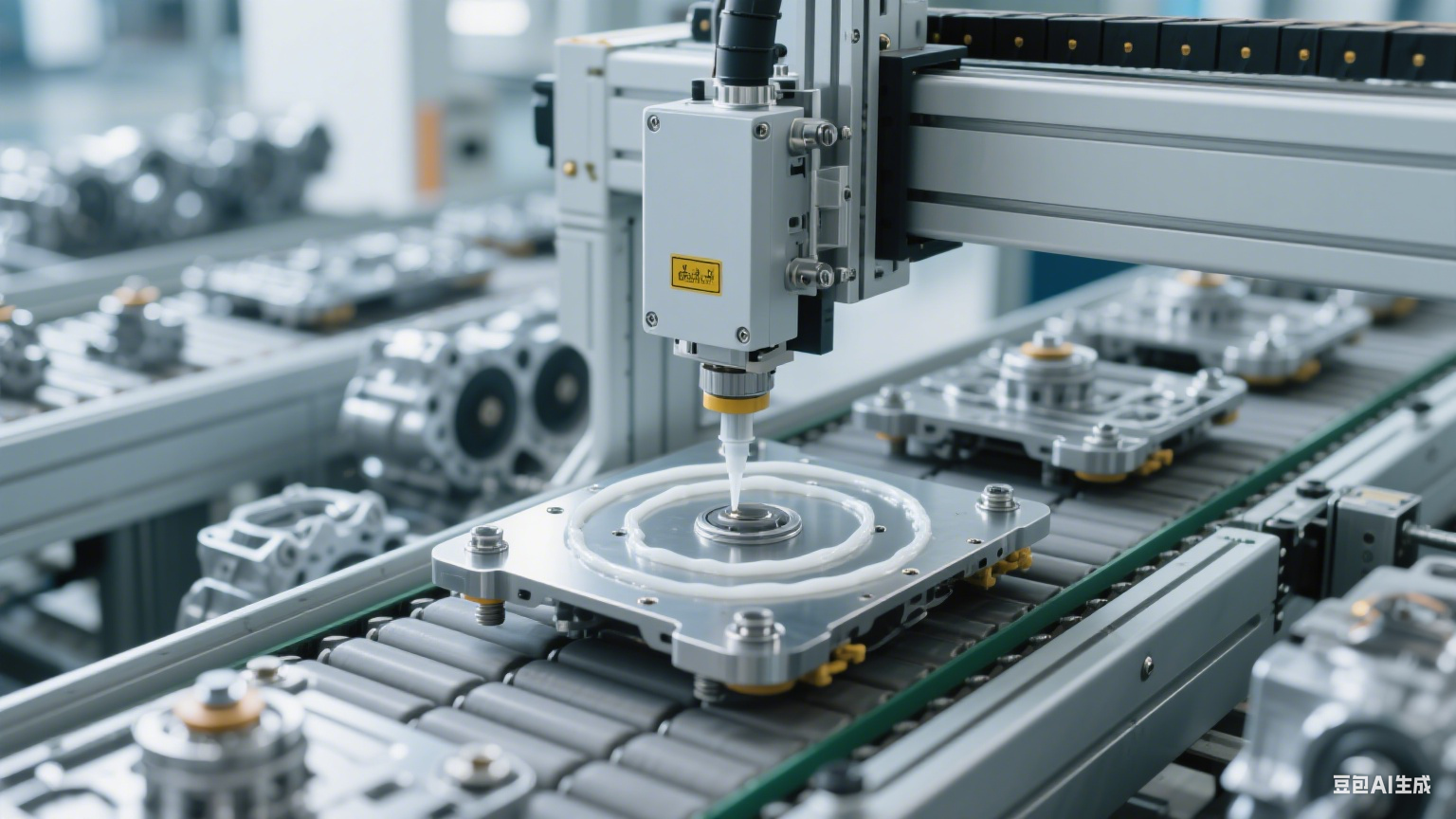
View DetailsWe possess advanced production lines and complete equipment sets, relying on deep technical accumulation to ensure every product reaches high-quality standards.